
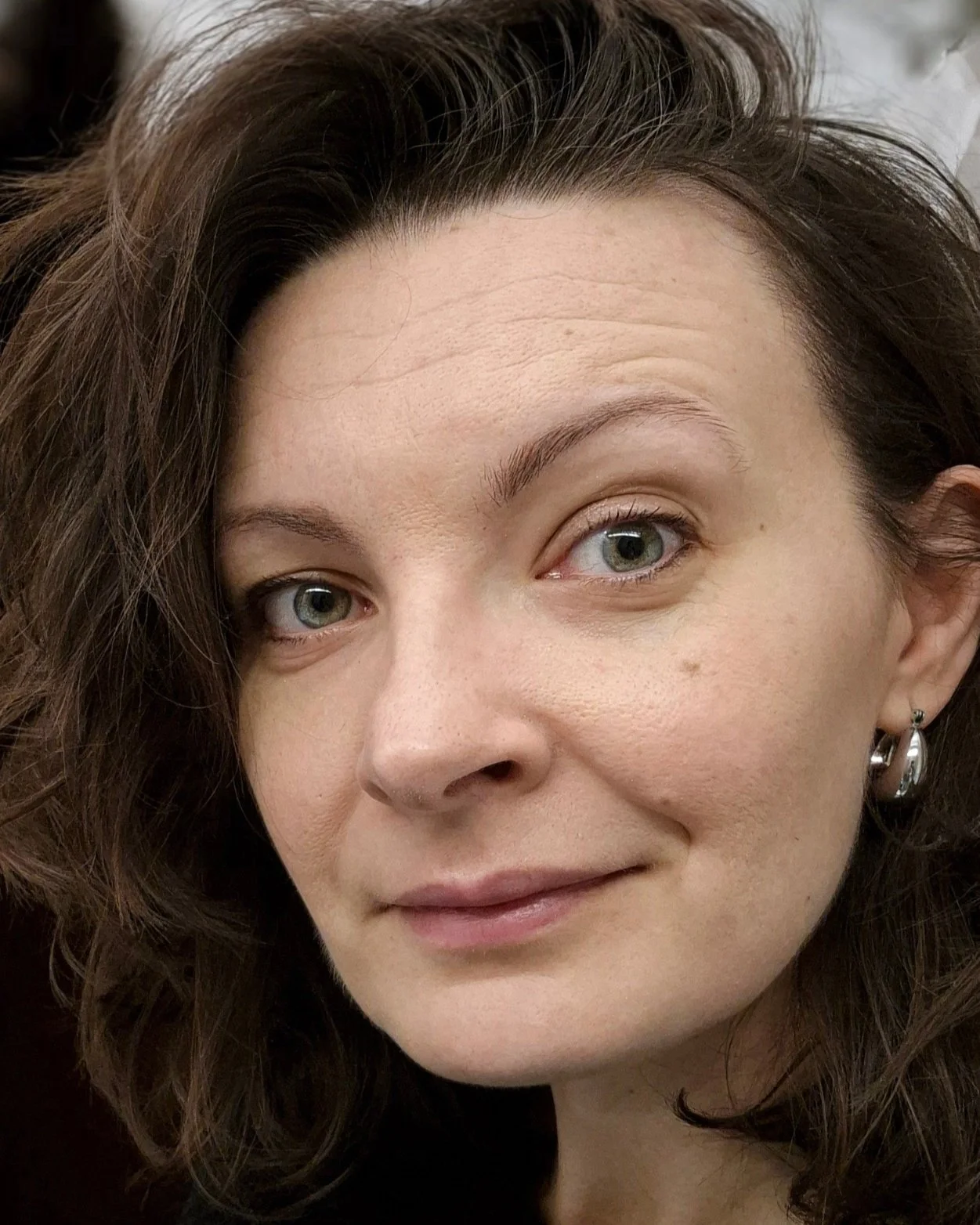
Interview with Helena Crevel, Illustrator
We’re constantly intrigued by how artists and illustrators bring their creations to life and what drives their passion.
We spoke with our own Helena Crevel, who shared her artistic approach, discussed her journey to becoming an illustrator, and offered advice for aspiring young artists.
-
I like to think of my style as story-first and character-driven. No matter what I’m illustrating, I’m always asking how the image supports the narrative and the emotions of the moment. I’m especially drawn to giving animals and small creatures a sense of personality — not just how they look, but how they feel in a scene.
Technically, I work mainly in digital media because it fits the pace and flexibility of publishing, but I approach it with a very traditional mindset. I’m always trying to keep the warmth and unpredictability of watercolor, gouache, and crayons — visible texture, soft color shifts, and brushwork that feels tactile rather than overly polished.
I’m not aiming for perfection so much as presence. I want the art to feel human and alive, with characters that wear their emotions openly and environments that invite readers to linger. My color choices tend to be warm and sometimes unexpected, because I like when a scene feels both comforting and a little surprising at the same time.
Overall, I’d describe my work as painterly, expressive, and rooted in storytelling — illustrations that don’t just decorate a page, but help carry the story forward.
-
Watercolor, without question. There’s something magical about putting wet paint on wet paper and watching it move — you’re partly in control and partly just along for the ride. I love that collaboration with chaos.
Gouache is a close second because it keeps that painterly feel but lets me fix mistakes, and colored crayons just make me happy in a deeply nostalgic way.
-
I kind of backed into it. I’m self-taught, so there was no single moment where someone told me, “You should illustrate children’s books.” I just kept making art and realized that what I loved most was telling stories visually.
Over time, I noticed my favorite work happened when I was trying to capture feelings that reminded me of being a kid — that mix of wonder, confusion, and very big emotions in a very small body. Children’s books felt like coming home to that space.
I also love that kids are the most honest audience imaginable. They’ll tell you if your dragon looks weird. They’ll spend five minutes staring at a background detail you almost didn’t include. There’s no pretense — just real engagement.
And honestly, where else can you draw a fly in a tiny raincoat and call it your job? That’s pretty hard to beat.
-
I’m a little obsessive about this part. First, I read the manuscript far too many times — sometimes even out loud in different voices — just to feel the rhythm of the story. I want to understand where it breathes and where the emotional beats land.
Then I go into what I call “detective mode” and build a visual mood board: screenshots, color swatches, photos of interesting light, color references — anything that captures the atmosphere of the book.
My non-negotiable step is thumbnailing the entire book before I draw a single finished illustration. It’s not glamorous, but planning page turns is everything in a picture book. If you don’t, you risk putting your big emotional moment on the wrong page, and that changes how the story feels. So I map out every spread first — like a rough rehearsal before the real performance.
Only after that do I really fall in love with the characters and start working on finalizing illustrations.
-
Don’t wait until you’re “good enough.” That’s a trap. I spent a long time thinking I needed formal training or permission to call myself an illustrator, and looking back, that was mostly fear. Start making the work you want to make now — messy, strange, imperfect — because that’s how you actually improve.
I’d also say: study storytelling, not just technique. Take an acting class, read picture books at the library, notice how a film can make you feel something in just a few minutes. Technical skills matter, but your ability to create emotion is what really connects with people.
And finally, be precious about your creative energy, not individual pieces. Some drawings won’t work — that’s part of it. What matters is protecting your excitement about making things. That’s the renewable resource you actually need.
-
One long-term goal of mine is to illustrate and publish a story of my own. I love collaborating with authors, but I also have a growing collection of characters and worlds that started as sketches and quietly turned into narratives.
I’d love to shape one of those into a full picture book — from the first idea to the final spread — and share a story that feels entirely personal while still speaking to young readers. Developing something from concept to publication feels like a natural next step in my creative path.